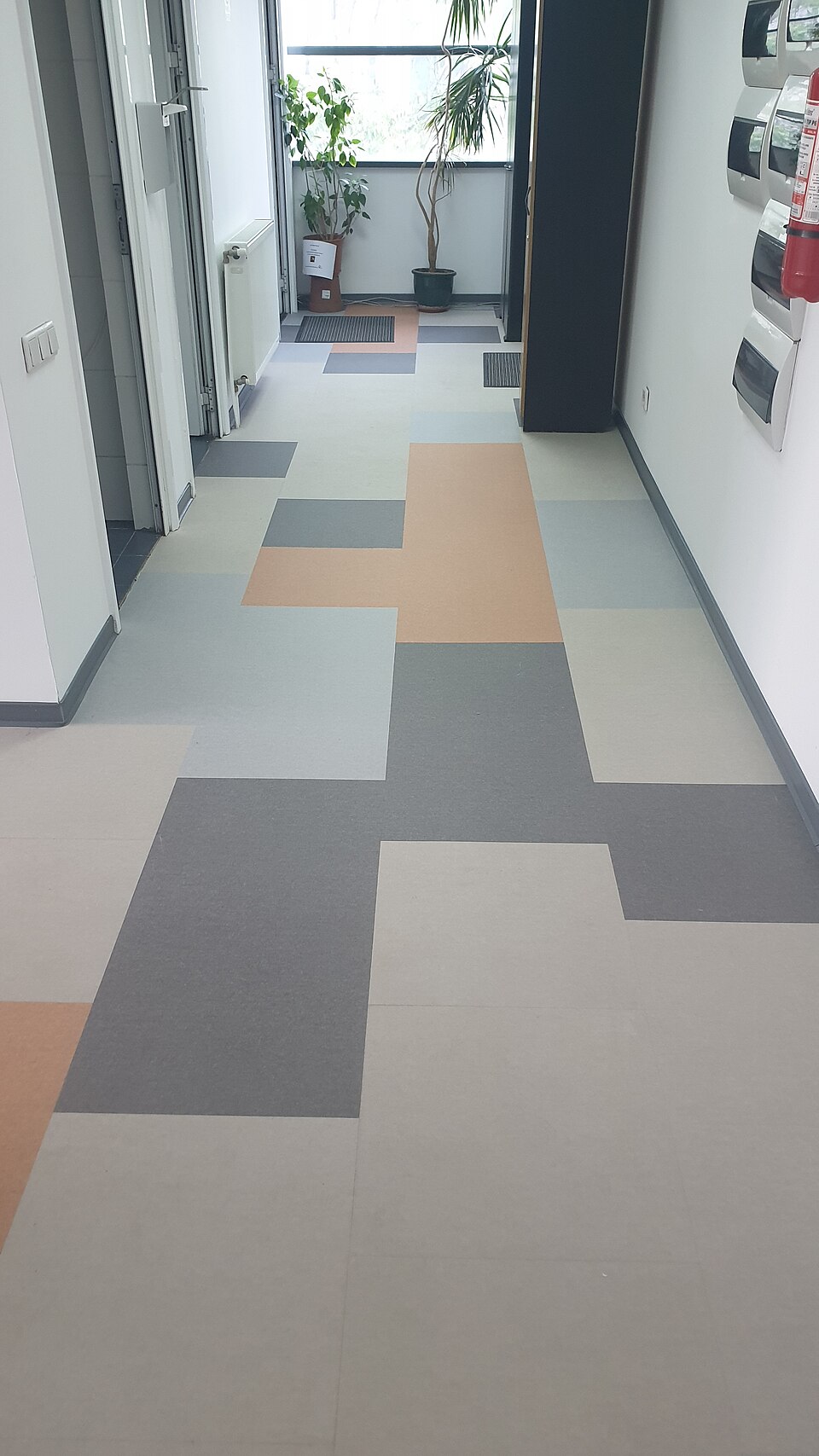

What lvt tile fitting involves
- 1Assess the subfloor for levelness and cleanliness to ensure a stable foundation for LVT installation.
- 2Apply levelling compounds where necessary to create an even surface, enabling proper LVT support.
- 3Install LVT planks following the manufacturer's guidelines to achieve correct alignment and a precise fit.
- 4Secure trims and seal edges with silicone in wet areas to prevent moisture from compromising the flooring.
- 5Inspect the finished floor for signs of gaps or lifting to confirm a successful and stable installation.
What affects the price?
Fitters usually price labour per square metre, then add for extras. Ask for each of these as a separate line. We don't publish a pound figure without a source and a date.
- Floor area, often with a minimum charge for a small room.
- Taking up the old floor, and disposal.
- Levelling an uneven subfloor.
- Skirting boards, doors and thresholds.
Fitters by city
Questions
What should I do if my LVT flooring is lifting?
If your LVT flooring is lifting, first check the adhesive to ensure it suits your LVT type. Investigate the subfloor for unevenness or moisture issues. Contact a professional to assess the situation and make necessary adjustments, such as reapplying adhesive or levelling the subfloor. Taking prompt action can prevent further damage and maintain the flooring's lifespan.
Why does my LVT flooring have gaps between planks?
Gaps between LVT planks often result from temperature changes causing expansion and contraction. Ensure proper acclimatisation before installation to minimise this. Check the room's environmental conditions and adjust humidity or heating settings accordingly. If gaps persist, consult a flooring expert to evaluate the installation and subfloor conditions, and consider resealing or adjusting plank alignment.
Can I install LVT flooring over existing tiles?
LVT flooring can be installed over existing tiles if the surface is flat and well-prepared. Ensure the tiles are secure, clean, and without any cracks. A suitable underlay or levelling compound may be necessary to even out the surface. Verify that the adhesive used is compatible with the tile material to ensure a strong bond. Consult with a professional to assess the conditions before proceeding.
Is LVT flooring suitable for rooms with underfloor heating?
LVT flooring can be compatible with underfloor heating if installed correctly. Use a suitable underlay that allows heat transfer and ensures the LVT type is suitable for heated floors. Gradual adjustment of heating settings after installation is crucial to avoid sudden temperature changes causing movement. Always follow the manufacturer’s recommendations and consult with a professional to achieve a successful installation.